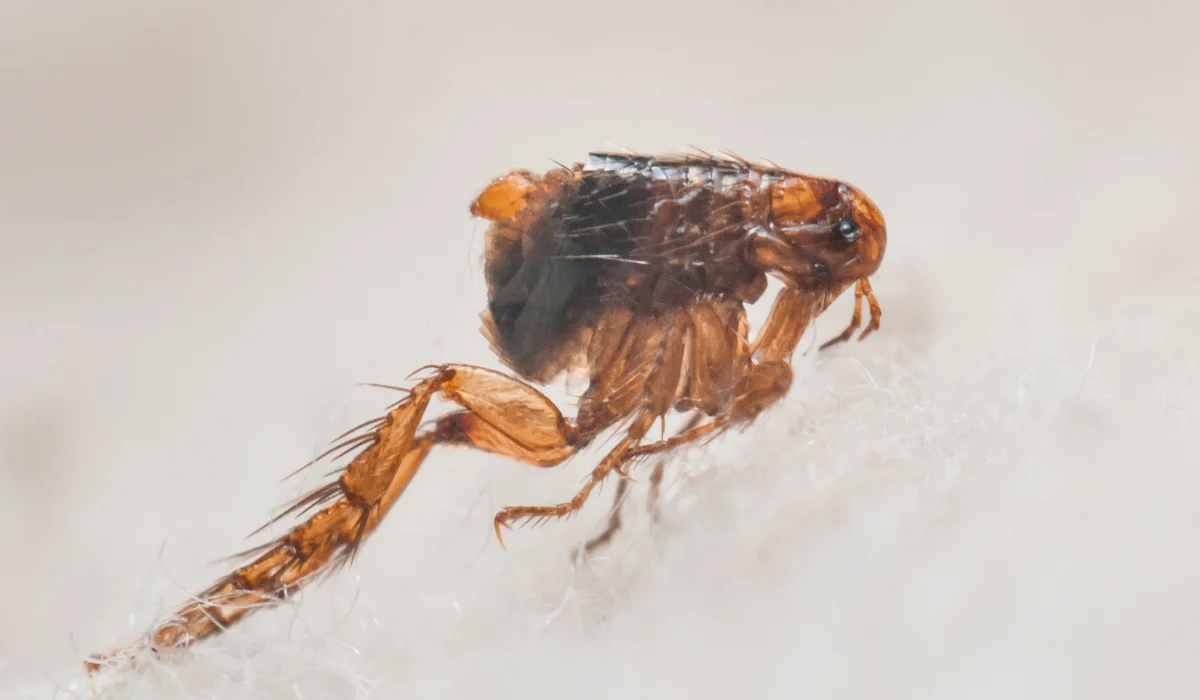
When trying to spot fleas early, size is often the first clue people miss. Fleas are small, quick, and often mistaken for dirt or debris. Many pet owners only realize they have a problem when their animals start scratching persistently. By that point, fleas have already spread. Understanding how big they are, and how that size changes depending on the species or life stage, gives you a real chance at early detection.
Size also plays a role in identifying what kind of flea you’re dealing with. Not all fleas are the same. Some target cats, others prefer dogs, and a few species even bite humans. Each type has slightly different physical dimensions and behaviors. Recognizing those distinctions helps you respond with more precision, from the treatment products you choose to the areas of your home you need to clean.
For pest control professionals or pet owners dealing with recurring infestations, knowing flea size is not just useful — it’s essential. It influences how and where you look, what tools you use to detect them, and even what lifecycle stage you’re targeting. Without understanding flea size, you’re left guessing.
The Average Size of Adult Fleas
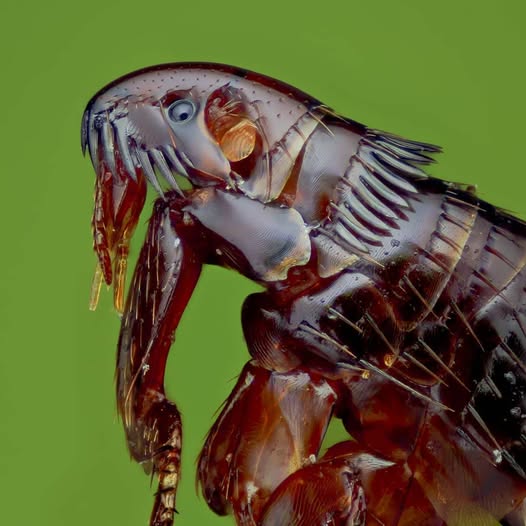
Adult fleas measure between 1.5 and 3.3 millimeters in length. That may sound tiny, but when they’re moving quickly through fur or jumping several inches at a time, they become much harder to ignore. Their bodies are flattened from side to side, which helps them slip between hairs and avoid detection.
Despite being small, adult fleas are visible to the naked eye. But many people misjudge their size due to their speed and tendency to hide deep in fur or fabric. It’s not uncommon to mistake a flea for a speck of dust, especially in low light or if it’s not moving.
One critical detail: size can slightly increase after feeding. A flea that has just consumed blood will look fuller and darker. This matters when you’re scanning your pet’s skin or using a flea comb. Movement, body shape, and color should all be observed together — not just raw size.
Dog Fleas (Ctenocephalides canis)
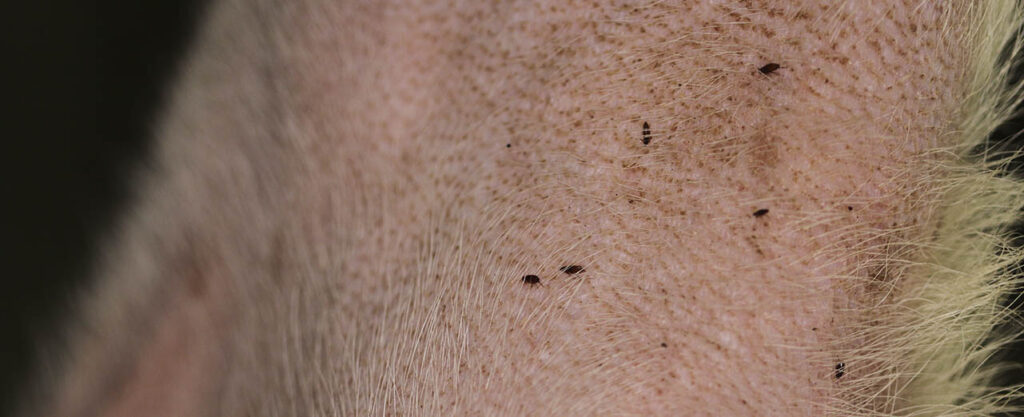
Dog fleas generally range from 2 to 3.25 millimeters in length. While they are not the most common flea species globally, they still appear frequently, especially in regions with larger outdoor dog populations. Their body is slightly shorter and broader than the cat flea, which becomes noticeable under magnification.
Dog fleas can also bite humans, though they prefer canine hosts. Their ability to move quickly through thick fur makes them harder to detect visually. However, in heavier infestations, they can be found in bedding or along baseboards.
If you have a dog that’s scratching excessively, especially after returning from grassy areas, and you’re seeing tiny brown insects near its collar or tail, you may be dealing with Ctenocephalides canis.
Cat Fleas (Ctenocephalides felis)

Cat fleas are the most widespread type of flea in homes today. Measuring between 1.5 and 3 millimeters, they infest cats, dogs, and even humans when necessary. Their adaptability makes them particularly persistent, and they thrive in both indoor and outdoor settings.
This species tends to be slightly more elongated and has longer legs than the dog flea. These physical features help it jump farther and stay mobile, making them more difficult to eliminate. They are responsible for the majority of domestic flea infestations, regardless of the host.
Cat fleas are also known carriers of diseases like flea-borne typhus and can transmit tapeworms to pets. If your pet has a sudden increase in scratching, or you notice black specks on their skin or bedding, cat fleas are likely the cause.
Human Fleas (Pulex irritans)
Human fleas are larger, typically measuring between 1.5 and 4 millimeters. While they are less common in developed countries, they still exist, particularly in rural or agricultural regions. Unlike cat or dog fleas, they do not have comb-like bristles on their heads, which helps entomologists tell them apart.
These fleas are generalists. They will bite humans, pigs, and even wildlife. Their slightly longer body can make them easier to spot on clothing or skin. Pulex irritans is also notable for its potential to transmit serious diseases like plague in very specific environmental conditions.
In a home environment, human fleas are rare but should not be ruled out — especially if flea bites appear without pets in the house.
Flea Size During Each Life Stage
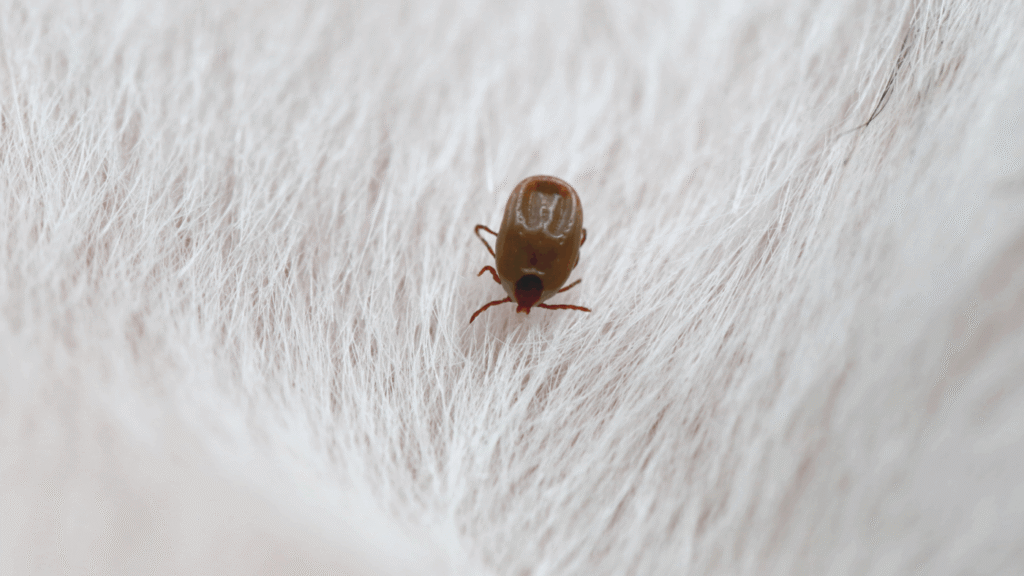
Fleas go through a full metamorphosis, and their size changes drastically at each stage. Many people mistakenly think fleas are only a problem in their adult form, but the earlier stages — which are harder to see — are often the real reason infestations persist.
Flea Eggs – Tiny and Pearl-White
Flea eggs are only about 0.5 millimeters long and can be nearly impossible to see without magnification. They are oval, smooth, and off-white in color. When laid, eggs stick briefly to the host’s fur but quickly fall into the environment.
These eggs resemble grains of salt or dandruff and are most often found in pet bedding, carpets, and floor cracks. Because they’re not sticky, they disperse easily, which makes vacuuming and thorough cleaning vital in flea control.
If you notice salt-like particles in your pet’s sleeping area that don’t dissolve or move, it’s worth investigating under light or with a magnifying lens.
Flea Larvae – Threadlike and Nearly Invisible
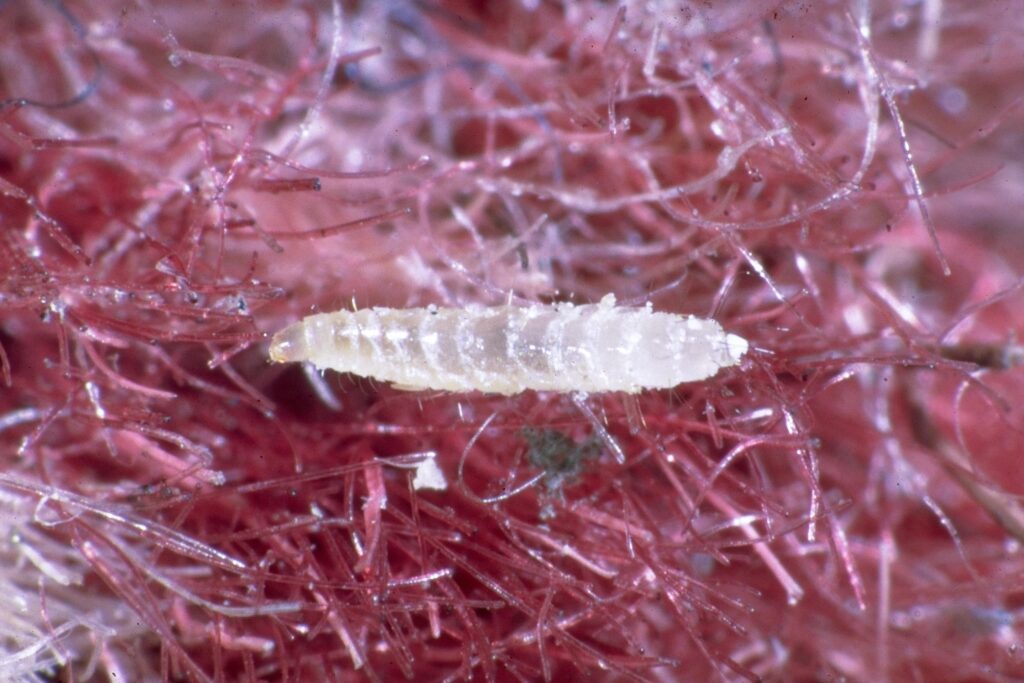
Flea larvae grow up to 5 millimeters long. They look like tiny white worms and avoid light, burrowing deep into fabrics and carpets. This stage feeds on flea feces and organic debris, not blood.
They develop through three molts before forming a cocoon. Most homeowners never see larvae unless they actively search using a flashlight and comb in dark, humid areas like behind furniture or inside rugs.
Because they avoid light, larval fleas often survive initial cleaning efforts. Deep vacuuming and targeted steam cleaning are necessary to disrupt this phase.
Flea Pupae – Hidden Inside Cocoons
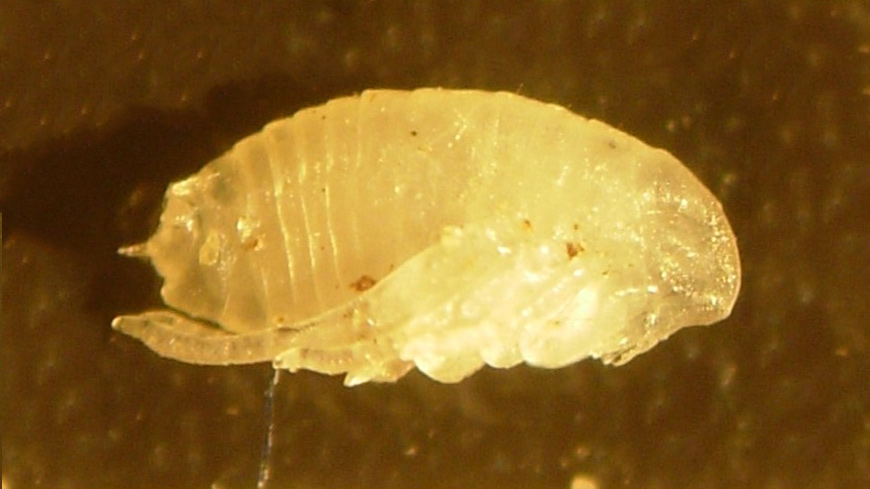
Pupae are about 4 millimeters long and are encased in sticky, camouflaged cocoons that collect dust and debris. They are nearly invisible in carpet fibers or floor crevices. This is one of the most resilient stages.
The flea can remain dormant inside the cocoon for weeks or even months. Movement, heat, or increased CO2 levels from nearby hosts will trigger emergence. Standard pest treatments often fail to penetrate the cocoon.
If a flea problem returns suddenly after seeming under control, pupae are usually the hidden source.
Adult Fleas – The Jumping Stage
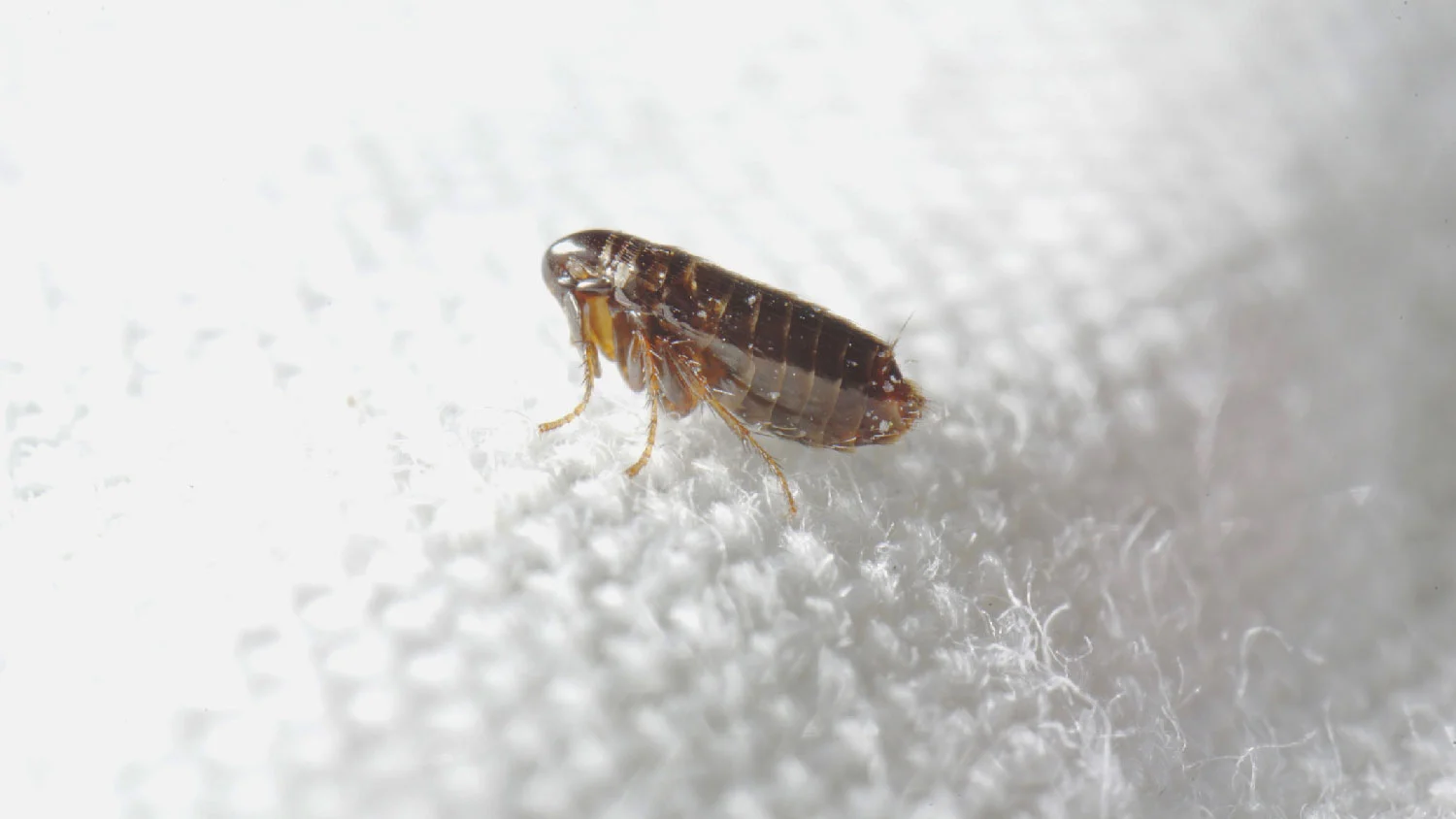
Fully developed adult fleas emerge when they detect movement or body heat. They are 1.5 to 3.3 millimeters long and immediately seek a host. This is the stage most people notice.
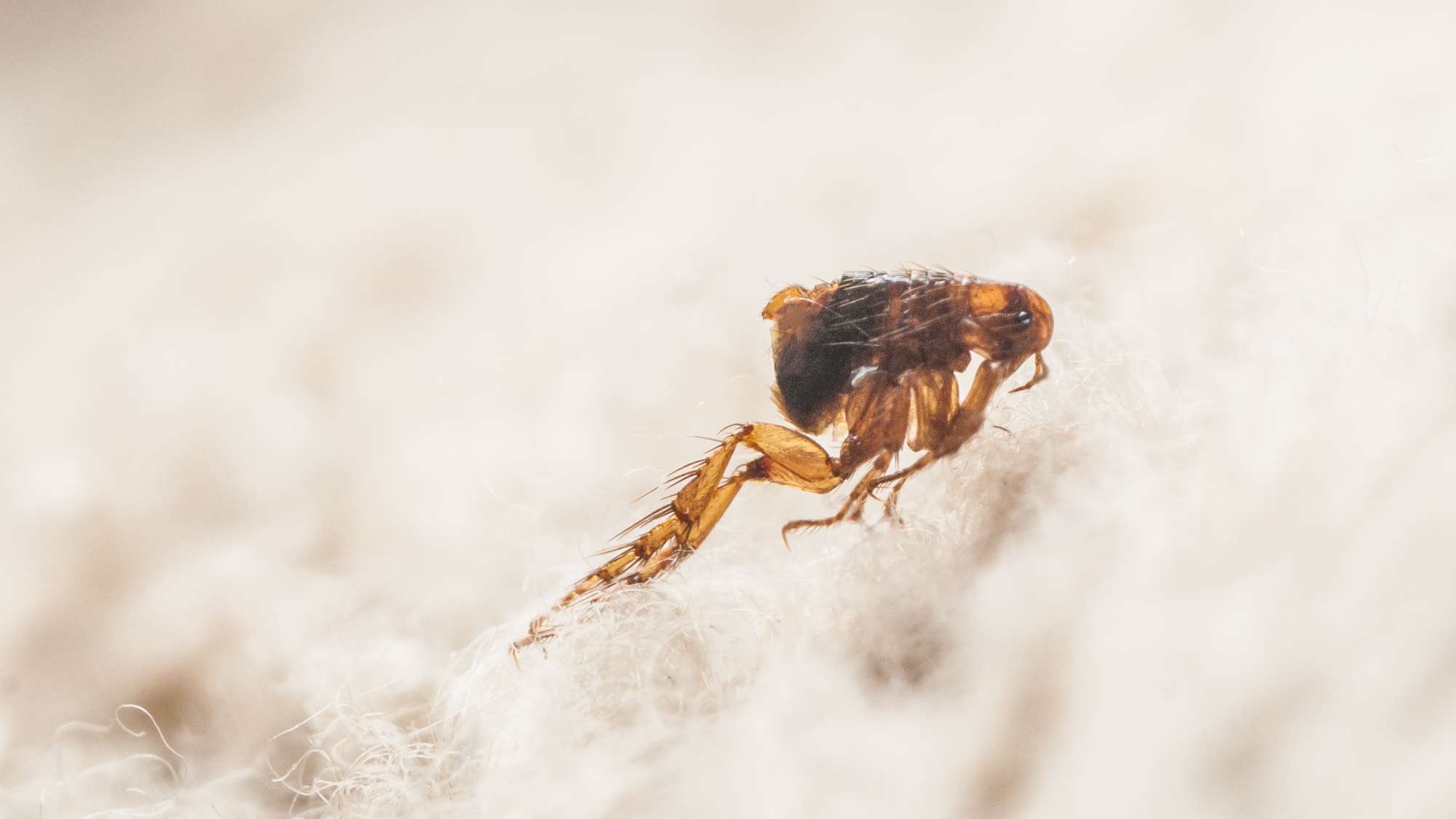
They are reddish-brown and laterally compressed, allowing fast movement through fur. Once feeding begins, fleas can remain on a host for days, laying dozens of eggs daily.
Because adults are the only stage visible to the eye, they’re often blamed for infestations — even though the bulk of the flea population exists in earlier, hidden stages.
Flea Size Compared to Common Objects
Flea vs. Grain of Salt
A grain of salt measures roughly 0.3 to 0.5 millimeters. Flea eggs fall within this same size range, making them very difficult to spot on light-colored surfaces. This is why pet owners often think they’re seeing dandruff or dirt.
Adult fleas are several times larger than a salt grain and more easily distinguished by color and movement. But eggs can remain unnoticed even in plain sight.
Flea vs. Sesame Seed
A sesame seed is around 3 to 4 millimeters long. This makes adult fleas comparable in length but thinner in shape. When viewed side by side, a flea looks like a slimmer, darker version of a sesame seed.
This visual reference helps many people confirm what they’re seeing during early detection. If it’s jumping and shaped like a seed — it’s probably a flea.
Flea vs. Human Hair Thickness
Human hair typically ranges between 0.017 and 0.18 millimeters in diameter. Compared to that, even the smallest flea is significantly wider and longer. This contrast highlights that fleas are not microscopic. They can be seen, but only when you’re actively looking for them.
The difference in scale becomes especially obvious when a flea is crawling near the scalp or embedded in pet fur. They stand out clearly against hair strands.
Flea vs. Bed Bug
Adult bed bugs are larger, measuring between 4 and 5 millimeters. They are oval, reddish-brown, and slow-moving. Fleas, in contrast, are smaller, sleeker, and jump quickly.
This difference in movement and size makes it easier to tell them apart. Bed bugs stay hidden in mattresses and furniture, while fleas remain close to their hosts.
Can You See Fleas with the Naked Eye?
Yes, adult fleas are visible without magnification. They appear as small, fast-moving dots — usually reddish-brown — crawling through pet fur or across fabric.
However, flea eggs, larvae, and pupae are much harder to see. That’s where many people get misled. They believe the fleas are gone because they don’t see adults, while earlier life stages continue to develop.
Visual detection works best when done in bright light, using a white towel or surface to help contrast movement.
What Fleas Look Like on Pets
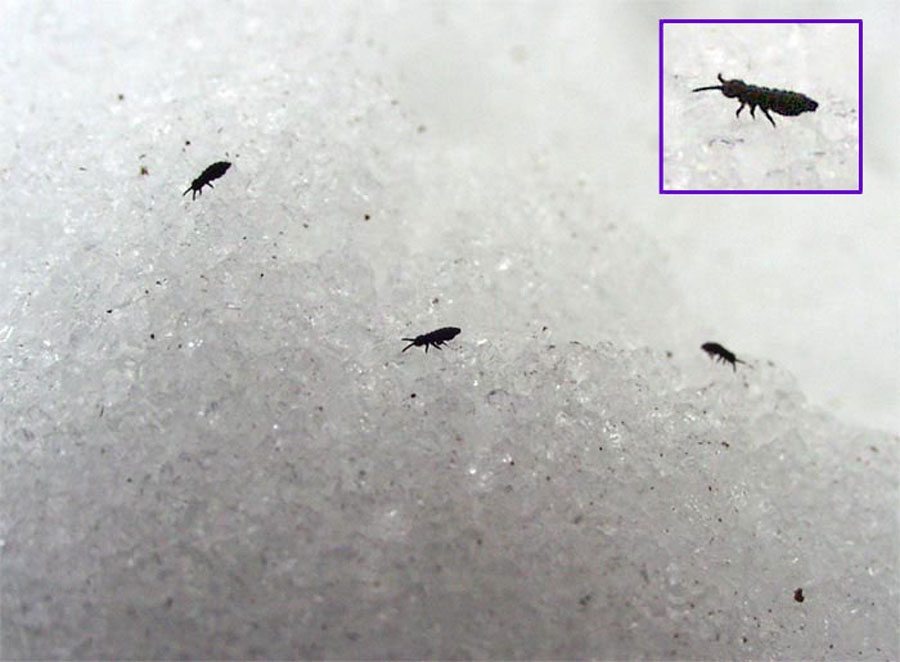
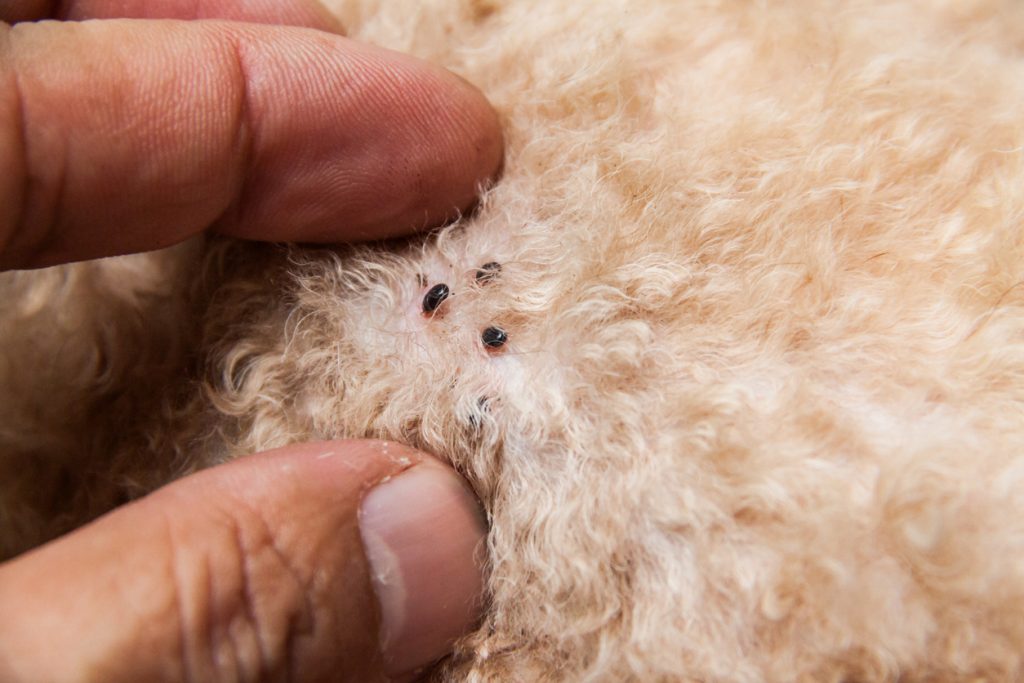
On pets, fleas appear as fast-moving brown or black dots close to the skin. They’re most often seen around the neck, behind the ears, and near the base of the tail.
In short-haired pets, fleas are easier to spot. But in long-haired animals, they often remain hidden unless the fur is parted carefully.
Flea dirt — small black flecks of dried blood — is often more visible than the fleas themselves. Combing this onto a damp paper towel can help confirm the presence of fleas.
How to Spot Moving Fleas in Fur
To detect fleas, use a fine-toothed flea comb and press it close to the skin. Then pull it through the fur, especially in areas pets often scratch. Look for:
- Fast, jumping movement
- Reddish-brown insects crawling near the skin
Perform this over a white cloth or paper so that any fleas dislodged are easier to see.
How to Measure or Estimate Flea Size at Home
Using a Magnifying Glass or Macro Camera
A 10x magnifying glass or smartphone with a macro lens can be used to estimate flea size. Place the flea on a white background next to a millimeter ruler for comparison.
This setup helps you identify whether you’re looking at an adult flea or another insect altogether. Take a photo if needed for further inspection.
Magnification is also useful for confirming species, especially when deciding on specific treatment options.
Observing Color and Movement Instead of Exact Size
When tools are not available, rely on color and behavior. Fleas are always reddish-brown and never fly. They jump quickly and avoid bright light.
Their mobility is often what alerts pet owners first. If something tiny is jumping around when you part fur, you’re likely dealing with fleas.
Why Fleas Look Bigger After Feeding
Fleas visibly swell after feeding. Their abdomens expand and darken, often increasing by up to 30 percent in size. This effect is most noticeable in female fleas.
This change can help in detection. A recently fed flea is more noticeable and easier to comb out. The bloated shape makes them slower and more vulnerable to removal.
Over time, the flea’s body returns to normal size as it digests the blood meal. But during feeding periods, they are at their most visible.
Flea Size vs. Jumping Distance (Strength Comparison)
Fleas can jump more than 100 times their body length. That’s up to 33 centimeters horizontally and 18 centimeters vertically.
This ability is powered by resilin, a rubber-like protein that stores and releases energy. The flea compresses its legs, then unleashes a burst that launches it into the air.
Their size makes this even more impressive. Few other insects possess this kind of power-to-weight efficiency.
When to Seek Help for Flea Infestation
You should seek professional help if:
- Fleas persist after two rounds of cleaning and treatment
- You see fleas in multiple life stages across the home
If your pet remains infested despite regular care, or if you notice bites on yourself, it’s time to consult both a veterinarian and a pest control expert. Hidden pupae and larvae often require specialized solutions that go beyond store-bought sprays.
Integrated treatment across pets, home surfaces, and outdoor areas is key to full eradication.
Conclusion: Understanding Flea Size Helps You Detect Them Faster
Fleas are not invisible, but they thrive in being overlooked. Knowing their size at each stage of life helps you spot them early, understand their patterns, and take smarter actions. Whether you’re comparing flea eggs to salt grains or tracking adult fleas through fur, size awareness is a foundational step.
By understanding how fleas grow and where they hide, you gain the upper hand. You move from reacting to preventing. And that’s how infestations are truly stopped — not just treated, but prevented from returning.